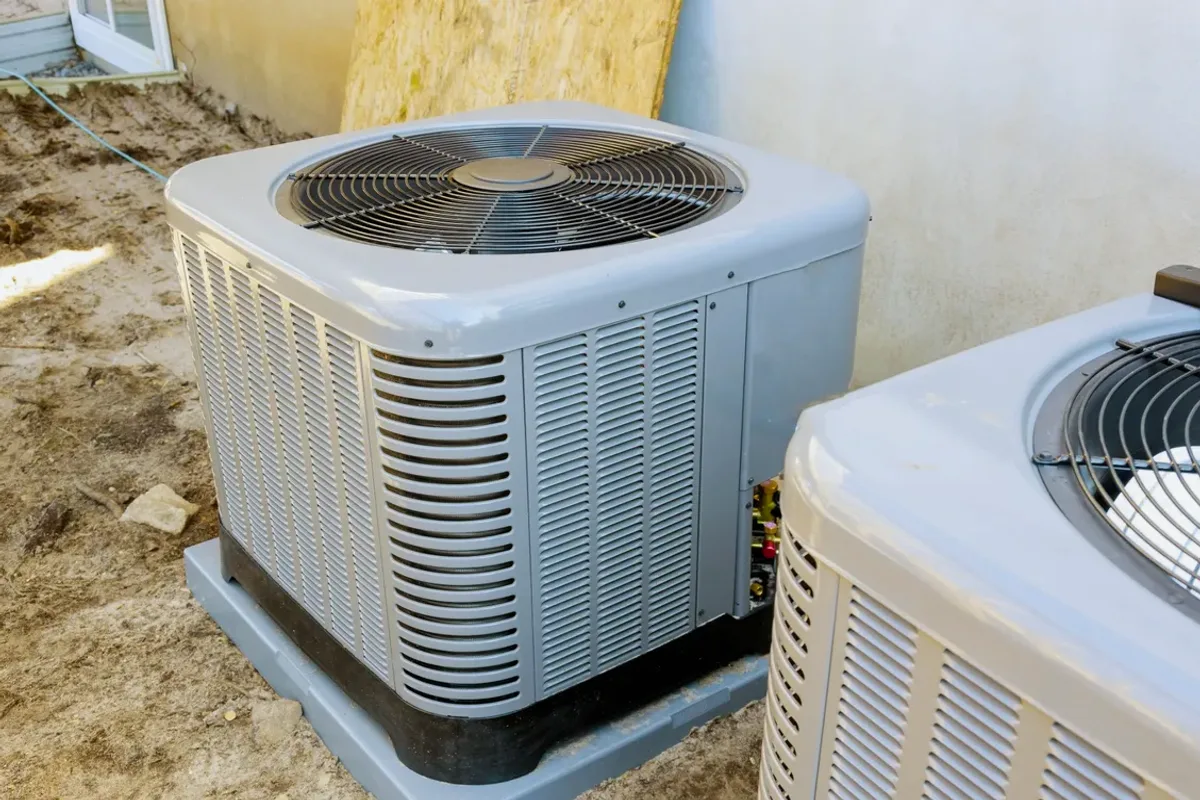
What details about an air conditioner’s symptoms and system type will help with diagnosis?
Warm air, weak cooling, unusual noise, or repeated shutdowns can have different causes in central air conditioning and ductless equipment. Diagnosis may involve airflow, controls, coil condition, condensate drainage, or the refrigerant circuit. The system type, model, error indications, and recent changes help define the investigation. Repair is based on a confirmed fault; replacement is a separate comparison when equipment condition, refrigerant considerations, or repair scope make it relevant.
A useful assessment compares the reported symptom with system operation, airflow, controls, coil condition, drainage, and refrigerant-circuit findings. Central systems and ductless units have different components and diagnostic indications. Model information and any displayed fault codes can help focus testing. Refrigerant handling and internal electrical checks are service tasks, not homeowner troubleshooting steps.
Central air conditioning and ductless system distinctions
Airflow, coils, controls, refrigerant, and condensate drainage
Component repair versus equipment replacement
Assessment and Scope
Questions for the Proposed Work
01
Trace warm air to its cause
Warm supply air does not by itself identify a refrigerant problem. Restricted airflow, a control fault, coil condition, or an issue in the refrigerant circuit may produce similar symptoms. Testing should establish which condition is present before repair is selected. For a central system, observations across the indoor and outdoor components can matter; a ductless unit has its own controls and indoor coil that require model-specific checks.
02
Check drainage and operating components
Condensate drainage, coil condition, and electrical operating components can affect whether cooling starts and continues. A blocked drain may present differently from a failed capacitor or a control problem, so the finding should match the reported behaviour. Internal electrical testing and refrigerant work require appropriate service procedures. If the system has an error display, recording its indication without opening equipment can help describe the fault.
03
Weigh repair against replacement findings
A confirmed component fault may support repair, while replacement is a separate choice based on the system’s overall condition and the scope of work identified. Refrigerant type can affect parts and service considerations for some older equipment, but it does not alone determine replacement. Maintenance should follow manufacturer instructions and inspection findings, including coil and drainage conditions, rather than an assumed calendar treatment.
Compare the next step
Separate the current fault, available repair, and full replacement design in the discussion. Ask which existing indoor components can remain and what compatibility or refrigerant considerations affect the choice. Compare the scope and limitations of each option using the same desired cooling outcome and written equipment information.
Do not open electrical panels or handle refrigerant. If ice, water near electrical equipment, or abnormal operation is present, stop using the affected system and request an assessment.