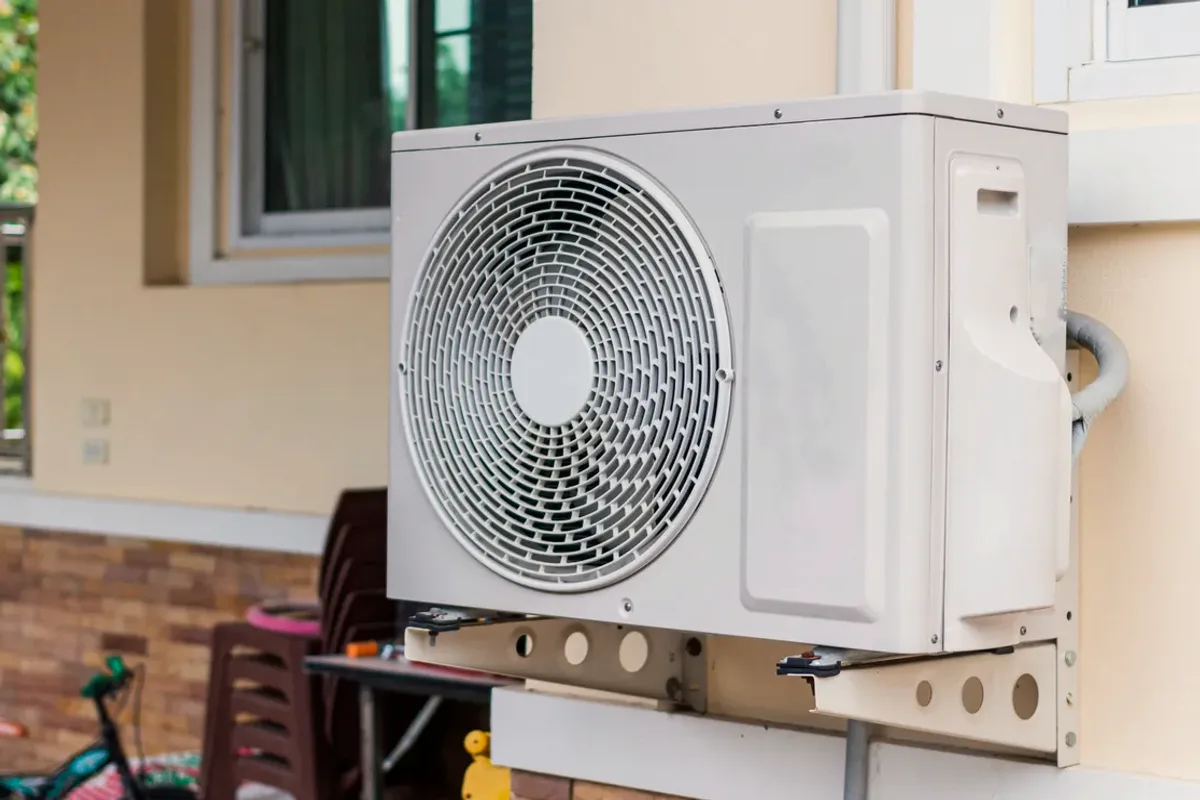
Request heat pump repair & installation for a property in Wallaceburg. Include the equipment, the problem or planned work, and your location so the request can be reviewed.
What operating symptoms and system details should I provide for heat-pump service?
A heat pump that struggles to heat or cool, ices unusually, runs continuously, or makes a new noise needs assessment based on its operating conditions and model. Defrost controls, airflow, drainage, electrical components, and refrigerant-circuit findings can each affect operation. Repair addresses a diagnosed fault; replacement is a separate decision based on equipment condition and suitability. For a proposed replacement, the property’s heating and cooling needs and the existing installation affect equipment selection.
Assessment should compare the reported operating pattern with the system’s model, controls, airflow, defrost behaviour, drainage, and inspection findings. The location and extent of icing, when it occurs, and whether heating or cooling is affected can help focus diagnosis. Refrigerant type may also matter when comparing service options for older equipment, but requires system-specific evaluation.
Heating, cooling, icing, and defrost-cycle diagnosis
Airflow, drainage, electrical, and refrigerant-circuit faults
Heat-pump repair versus replacement installation
Assessment and Scope
Questions for the Proposed Work
01
Distinguish normal defrost operation from a fault
Some frost can occur during heat-pump operation, so its presence alone does not establish a failure. Persistent or unusual icing, reduced output, or repeated interruptions may warrant checks of defrost controls, airflow, drainage, and the refrigerant circuit. Model-specific behaviour and the conditions when symptoms appear help separate an operating cycle from a fault. Internal electrical and refrigerant checks should be left to service professionals.
02
Base repair on the fault, not the symptom alone
Continuous running, uneven heating or cooling, and unfamiliar noise can have several causes. Testing should connect the observed condition to a component or control fault before repair is chosen. Findings from the indoor and outdoor sections, drainage path, and system controls may each be relevant. Repair is distinct from routine inspection, and any maintenance should follow manufacturer instructions and the equipment’s actual condition.
03
Make replacement a separate equipment decision
Replacement planning should consider the property’s heating and cooling requirements, the existing distribution arrangement, and the proposed equipment’s compatibility. For an older system, refrigerant type can affect service options and should be part of a system-specific comparison, not a stand-alone replacement rule. Installation scope also depends on existing connections and site conditions. A confirmed repairable fault does not by itself establish that replacement is necessary.
Compare the next step
If replacement is an opportunity to change heating strategy, ask for a complete system design alongside the immediate repair alternative. Compare calculated loads, retained equipment, low-temperature output, and supplementary heat. Record the intended operating strategy and construction assumptions before choosing a conversion solely because cooling equipment has failed.
Cold-climate capability does not prove that one model covers every home heating load. Ask how the selected equipment and supplementary heat meet the actual design requirements.