Request furnace repair for a property in Wallaceburg. Include the equipment, the problem or planned work, and your location so the request can be reviewed.
What furnace symptoms and model information should I include in a service request?
A furnace that will not start, produces cool air, cycles unusually, or makes a new noise needs diagnosis based on its symptoms and equipment type. Single-stage furnaces and modulating condensing models have different controls and operating sequences, so the model and fault history help define the checks required. Repair may be appropriate when a specific fault is found; replacement is a separate decision that depends on the furnace’s condition, repair scope, and suitability for the property.
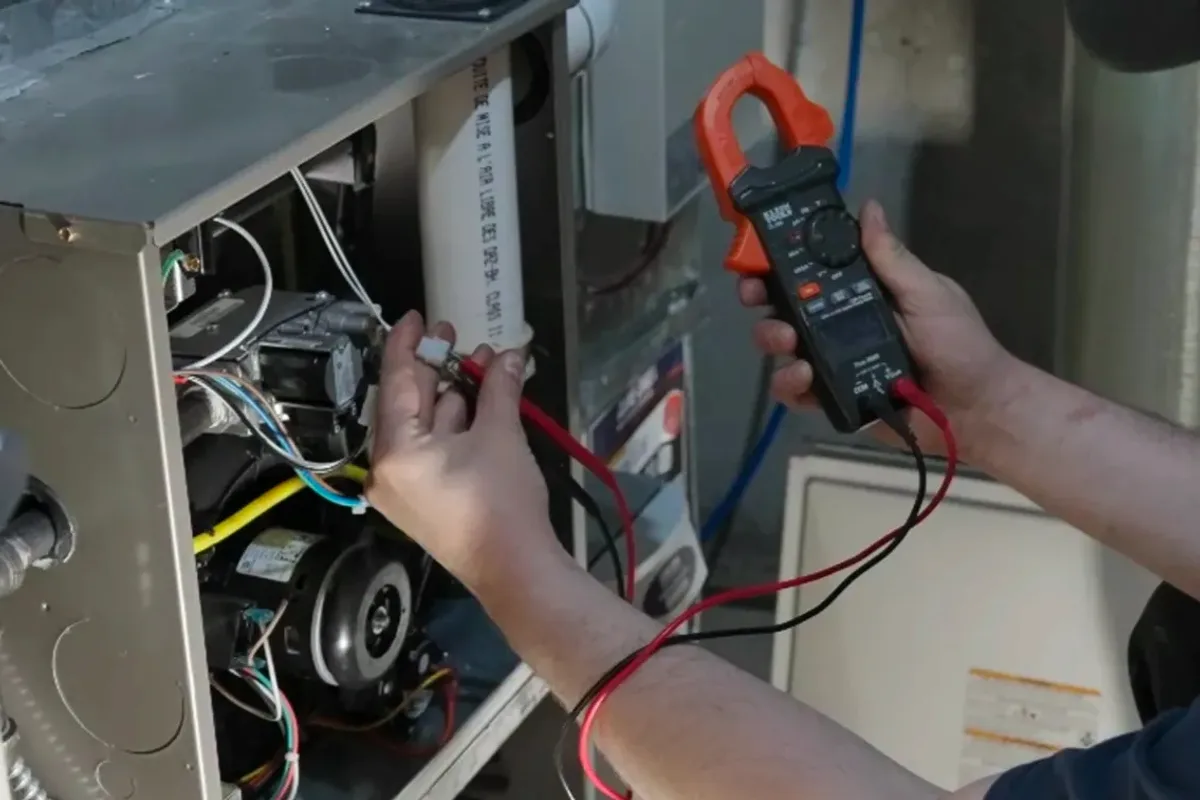
Diagnosis can involve checking the ignition sequence, control signals, airflow, and the furnace’s operating records. For gas equipment, combustion-related measurements and inspection findings matter because they help distinguish an ignition fault from a gas-supply, control, or heat-exchanger concern. The furnace model, error codes, recent changes, and whether the fault is intermittent can also narrow the assessment.
Single-stage and modulating condensing furnace distinctions
Ignition sequence, gas pressure, and heat-exchanger inspection
Fault repair versus maintenance or replacement
Assessment and Scope
Questions for the Proposed Work
01
Separate ignition faults from other no-heat causes
A furnace that clicks without lighting may have an ignition or flame-sensing fault, but similar symptoms can arise from controls or fuel-supply conditions. The diagnostic sequence should be checked rather than replacing a part based on sound alone. Gas-pressure and combustion-related tests require appropriate equipment and should be handled by a qualified service professional; occupants should not open the furnace or adjust fuel components.
02
Consider the furnace type and inspection findings
A single-stage furnace and a modulating condensing furnace differ in their controls, venting arrangements, and operating sequences. Diagnosis should use the specific model’s instructions and observed fault conditions. Inspection of the heat exchanger and venting is relevant when findings point to damage or abnormal operation. Those observations help distinguish a repairable component issue from a concern that changes the safe operating or replacement decision.
03
Compare repair, maintenance, and replacement separately
Repair addresses a diagnosed fault; it does not automatically mean the furnace needs replacement. Maintenance follows the manufacturer’s instructions and inspection findings, which may identify airflow, filter, burner, or control items requiring attention. Replacement becomes a separate option when the equipment’s condition, parts situation, repair scope, or suitability supports that comparison. The furnace’s age alone does not establish which choice is appropriate.
Compare the next step
Ask for the present condition and repair option to be documented independently of a future replacement quotation. Compare available repair, related safety findings, expected household plans, and proposed new equipment sizing. Retain the findings so later decisions can build on evidence rather than an age-based sales recommendation.
Leave burner, fuel, venting, electrical, and internal equipment work to a qualified contractor. Do not bypass a safety switch or repeatedly reset a furnace.